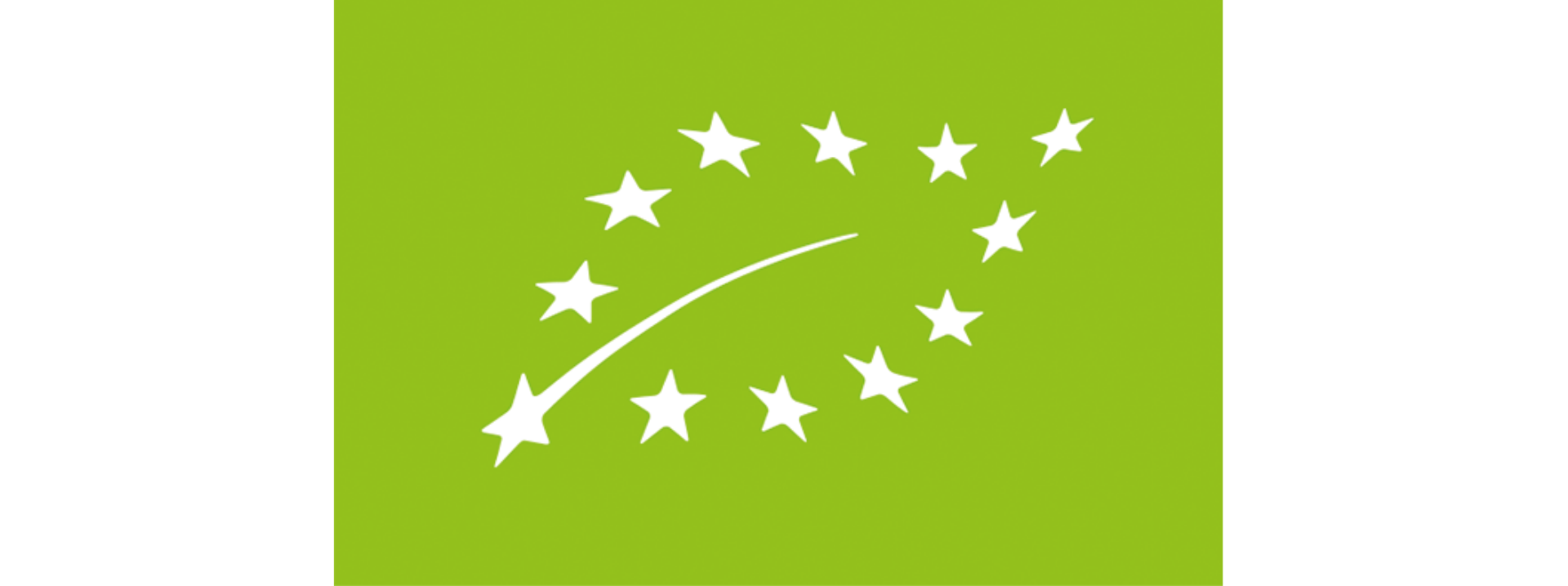
Euroleaf is the characteristic symbol you probably instinctively look for on the packaging before you buy organic products. It features white stars arranged in the shape of a leaf on a light green background. Today, the EU organic farming logo, commonly known as the Euroleaf, is one of the most recognizable signs of certified organic food in Europe. But how was this symbol created and why did the European Commission decide to unify the certification of BIO food? Discover the history of the sign that permanently changed the European organic food market and made everyday shopping easier for millions of consumers.
The need for a single, common symbol of the organic food
Before 2010, the organic food market in Europe was extremely diverse, but at the same time very chaotic. Dozens of different national and private organic certificates were functioning at that time. Consumers traveling across Europe or simply buying imported products in stores were often confused. Each country had different graphic designations, which made it significantly difficult to verify whether a given product actually met the strict standards of organic farming.
To build trust in BIO products and facilitate the functioning of a single, free market, the European Commission made a strategic decision. It was decided to create one universal and mandatory graphic sign. It was to become a clear guarantee for every European that the food was produced in an environmentally friendly way, without the use of synthetic pesticides, respecting soil health, and maintaining high animal welfare standards.
Pan-European competition and the birth of the Euroleaf logo
The history of the graphic design itself is incredibly inspiring. Instead of commissioning an expensive logo from external advertising agencies, in 2009 the European Commission announced an open competition. It was addressed to art and design students from all over the European Union.
The response from young creators was overwhelming – as many as 3,422 original designs from various Member States were submitted to the commission. An international jury, consisting of agricultural experts and renowned designers, selected three final candidates. However, the experts did not have the final say. The ultimate decision belonged to the citizens of the EU themselves.
In an online vote in which about 130,000 people participated, the design by Dušan Milenković, a student from Germany, won undisputedly. His work gained as much as 63% of all votes cast, winning the great sympathy of Europeans.
What exactly does the Euroleaf symbolize?
The winning design stood out with its brilliantly simple symbolism, which harmoniously combines two key elements:
- Nature: The shape of a leaf on a light green background directly refers to nature, sustainable development, ecology, and natural farming methods.
- Europe: The outline of the leaf is formed by 12 white stars, directly taken from the flag of the European Union. This symbolizes unity, common EU standards, and rigorous quality norms that apply equally in all Member States.
This minimalist concept perfectly captured the spirit of EU regulations, emphasizing that certified organic food is the common good of all Europe, and care for the environment knows no national borders.
Strict labeling rules – what else should you pay attention to?
It is worth knowing that the Euroleaf became officially mandatory from July 1, 2010, for all pre-packaged organic products produced in the territory of the EU Member States. However, for a producer to place this prestigious symbol on a label, they must undergo a strict certification process, which is subject to annual inspections.
Moreover, the logo itself never appears alone. EU law requires that it must always be accompanied by two additional authenticating elements:
- Certification body code: A string of characters (e.g., PL-EKO-00) that allows the identification of the institution inspecting a given producer.
- Place of origin of raw materials: A designation such as “EU Agriculture” or “non-EU Agriculture”, informing the consumer exactly where the crops used for food production were harvested.
Today, this sign is not just an attractive graphic on the packaging. It is a legally backed promise of transparency, the highest quality, and genuine care for the future of our planet. By choosing certified products, you are assured that you are supporting a sustainable agricultural system endorsed by the collective voice of thousands of Europeans.
Read how are organic products labelled
References:
- European Commission (2010). Press Release: New EU organic logo to apply from 1 July 2010.
- European Commission, Directorate-General for Agriculture and Rural Development (2010). The new EU organic logo: Background information.
- Official Journal of the European Union (2010). Commission Regulation (EU) No 271/2010 of 24 March 2010 amending Regulation (EC) No 889/2008 laying down detailed rules for the implementation of Council Regulation (EC) No 834/2007, as regards the organic production logo of the European Union.
