How Is Organic Food Made?
-
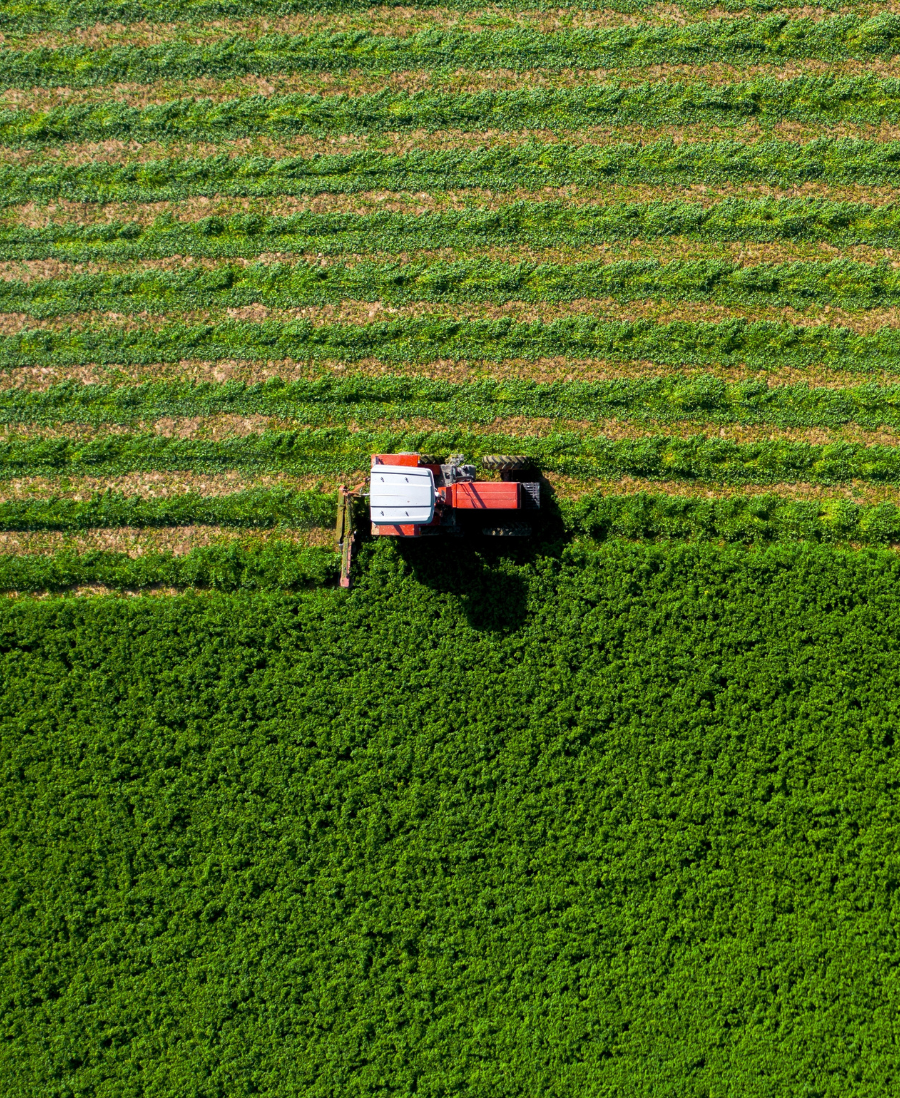
Fertilization in organic farming. How are soils nourished?
Many consumers, when reaching for products with the EU Euroleaf logo, ask themselves the same question: since farmers do not use synthetic plant protection products or artificial fertilizers, what exactly does fertilization in organic farming look like? The answer lies…
-

Euroleaf: where did it come from on organic products?
Euroleaf is the characteristic symbol you probably instinctively look for on the packaging before you buy organic products. It features white stars arranged in the shape of a leaf on a light green background. Today, the EU organic farming logo,…
-
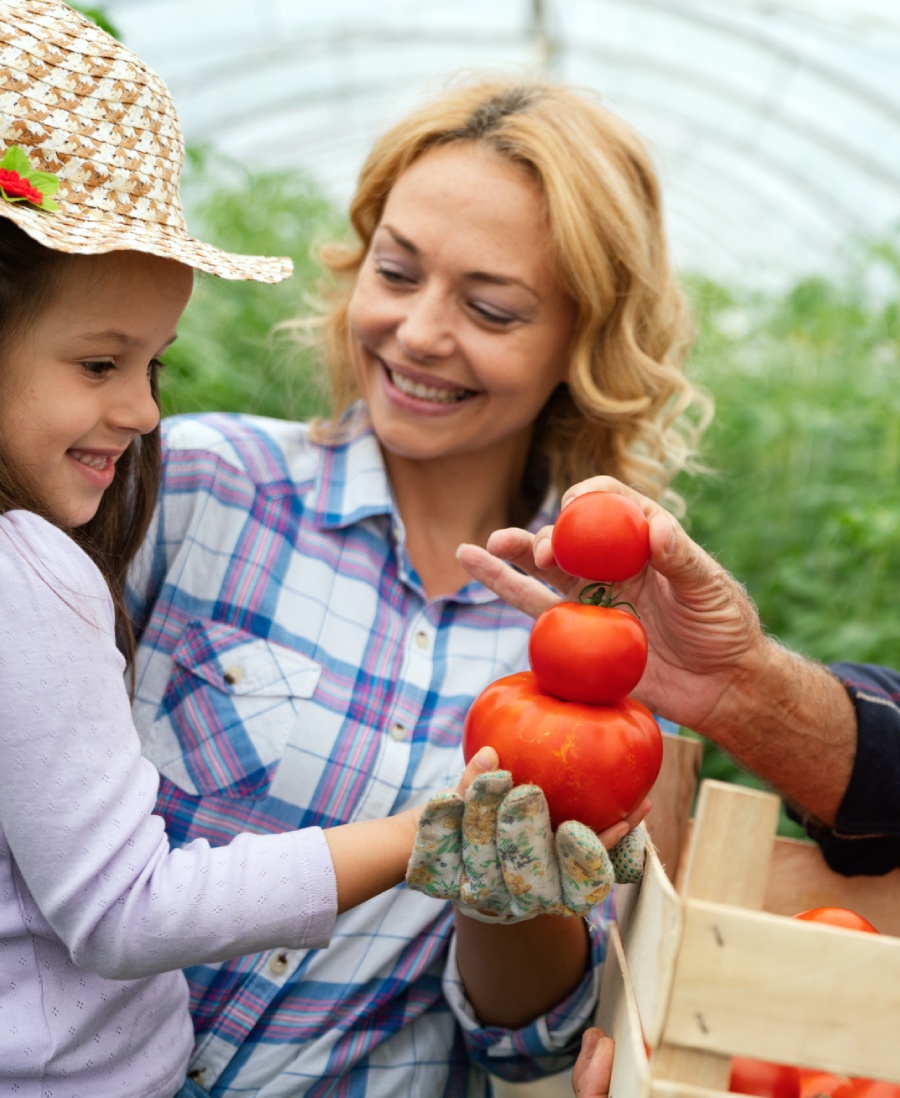
Organic food without E numbers (additives)?
Until recently, organic food was mainly associated with fresh fruit and vegetables. These dominated the market and were the most popular choices among consumers. In recent years, however, the situation has changed — more and more organic processed products are…
-
How are organic products labelled?
Organic products in the European Union are labelled in a uniform and consistent manner, making them easy to recognise for consumers in all Member States. Since 1 July 2010, all retail packaging of certified organic food must bear the EU…
-
How does organic food differ from conventional food?
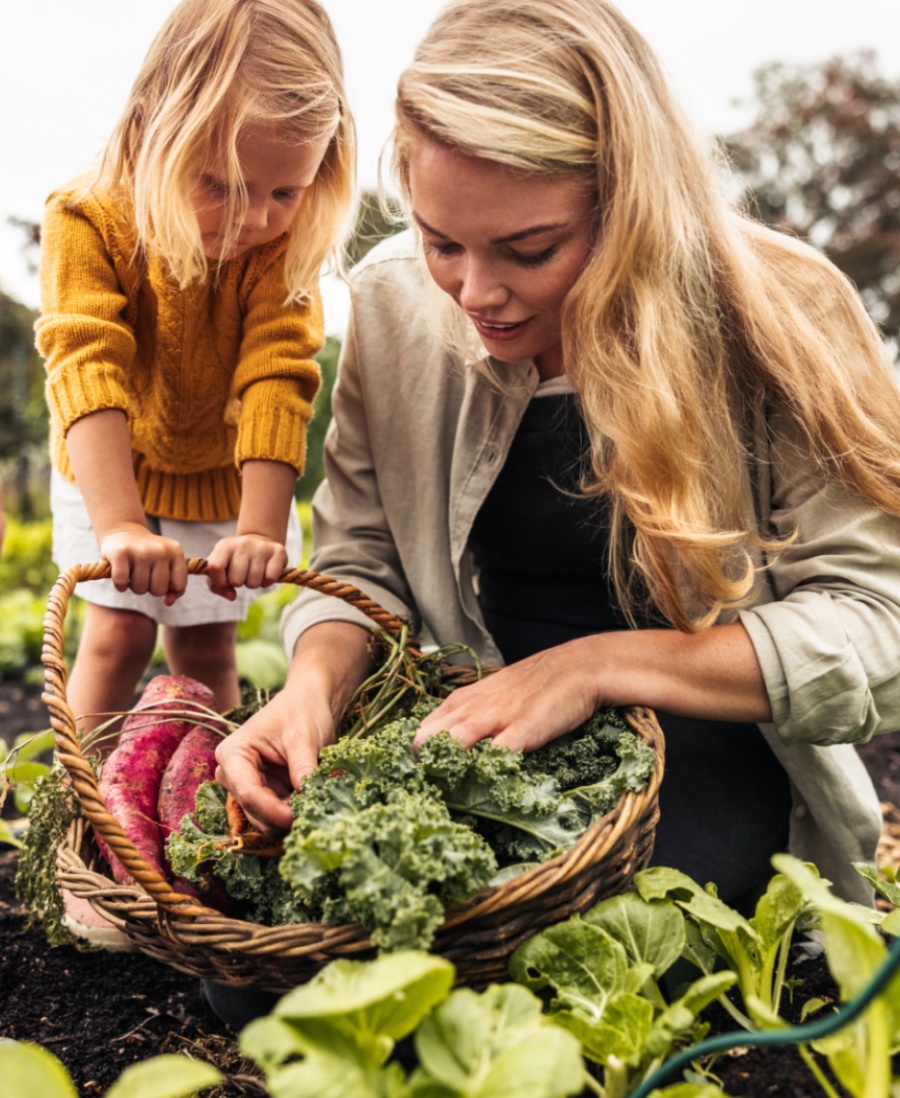
Many consumers have encountered the concept of organic food at least once while shopping, but not everyone can explain what actually distinguishes organic products from conventional ones. In this study, we present the most important differences between the two categories.…
-
Eco in practice: how certified organic food is produced
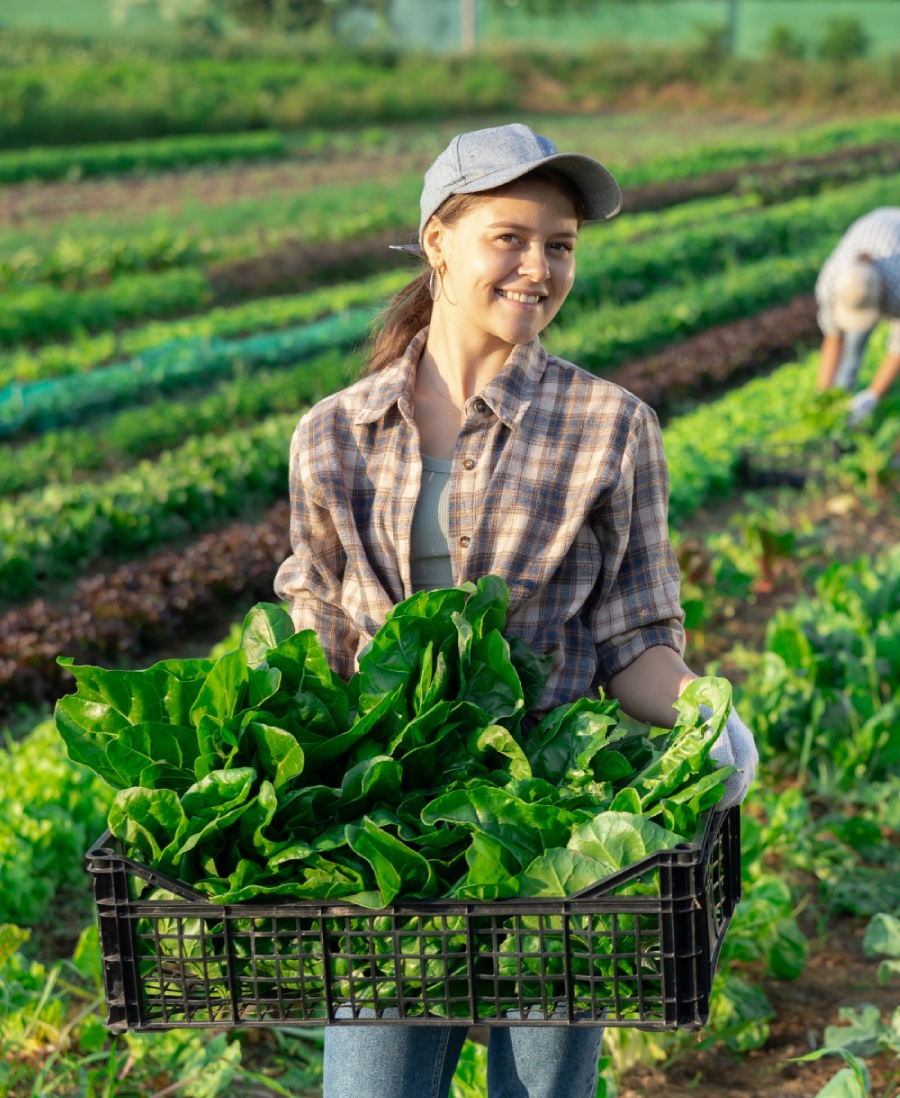
Can any product that looks natural, local or “straight from the farmer” be considered organic? This is a common belief, but food labelled as organic (BIO) must meet clearly defined requirements regarding the method of production and the origin of…


