More and more people are paying attention not only to the composition and price of food products, but also to whether they have been produced in an ethical manner. However, the question arises: what exactly does ethical production mean? How can we be sure that the food we put in our shopping baskets is produced with respect for animals, the environment, biodiversity and fair trade principles?
The simplest and most reliable criterion is to choose products marked with the Euroleaf symbol – the EU organic farming certificate.
This label confirms that the food has been produced in accordance with strict organic production standards based on care for nature, the climate and animal welfare.
What does it mean that organic food is produced ethically?
Certified organic production is based on the principle of not using chemical agents to accelerate growth or increase yield. Organic farmers do not use synthetic fertilisers and pesticides – weeds are removed mechanically, pests are controlled using biological methods, and the soil is fertilised with what the ecosystem naturally provides.
Similar rules apply to animal husbandry. GMO feed and seeds are not allowed, and animals must be kept in conditions that ensure their welfare: access to pasture, fresh air and natural feed. The treatment of animals also follows a strict hierarchy – herbal preparations and natural methods are used first, and synthetic medicines are only used when necessary.
Organic production is therefore based on harmony with nature and the responsible use of its resources.
Ethical dairy products – how can you be sure?
When it comes to dairy products, many people wonder whether their production can be ethical. The scale and method of farming are key here. Small, family-run organic farms operate in a way that takes into account the natural needs of animals: access to pasture, an appropriate diet and veterinary care.
In such places, animals are not deprived of all their milk – some of it is left for the young, in accordance with their biological needs.
When choosing butter, cheese or cottage cheese, it is therefore worth checking whether the packaging bears the EU organic farming logo. This means that the production process respects the animals.
Can meat also be ethical?
The debate surrounding meat consumption often concerns ethics. Plant-based diets and eating styles that limit the consumption of animal products, such as flexitarianism, are becoming increasingly popular. For many people, however, meat remains an important part of their culinary traditions and daily habits.
If we want to buy meat in a more responsible way, we can:
- reduce the amount of meat in our diet,
- choose meat from certified organic farms where animals live in conditions far removed from industrial farming.
Such choices have a real impact on reducing the pressure associated with mass meat production.
Organic eggs from happy hens
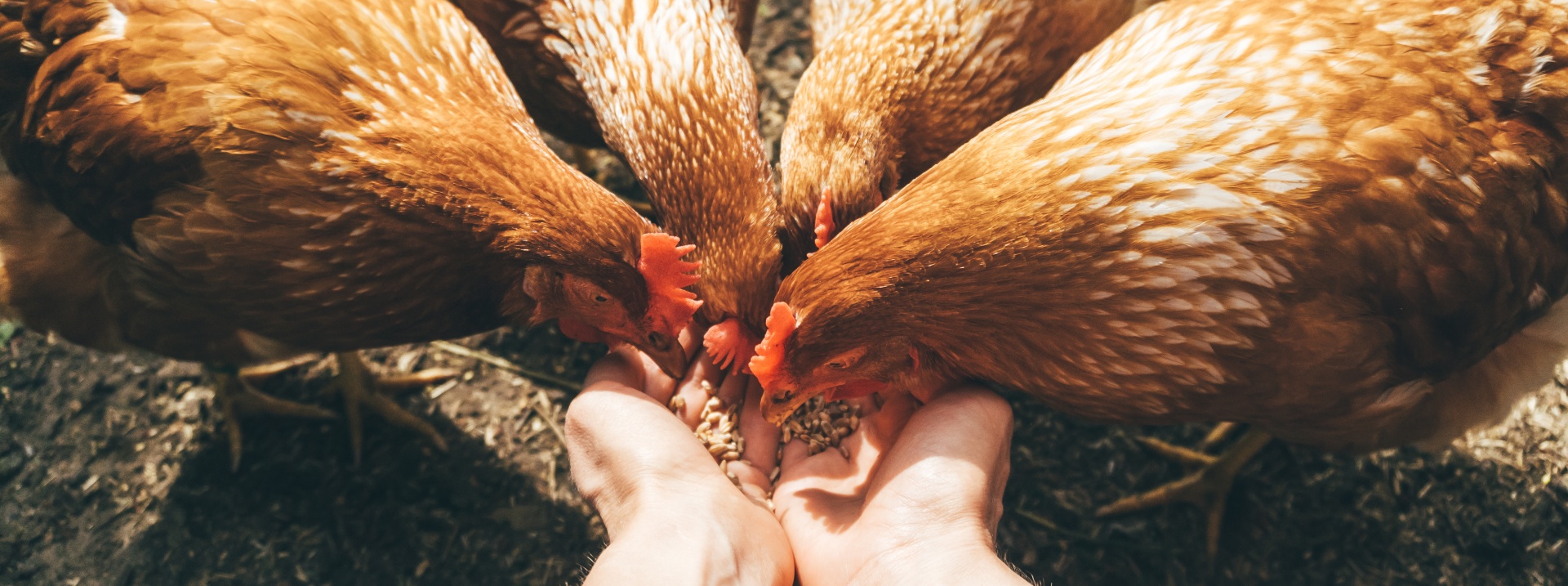
Organic eggs are one of the products where the difference between conventional and organic production is particularly noticeable. Hens on organic farms have free access to outdoor runs, where they can scratch in the ground, rest on perches and fulfil their natural behavioural needs. Their diet is based on organic feed free from GMOs and artificial additives, and the use of antibiotics is strictly limited.
As a result, the eggs come from healthy, well-treated animals – and consumers get a product with a proven, controlled quality standard. By choosing eggs with the Euroleaf certificate, we support farms where hens are not part of industrial production but are treated with respect for their natural rhythm of life.
Ethical = certified = organic
The basis for responsible food choices is to choose products with organic farming certification. Euroleaf is a guarantee of compliance with high standards of animal welfare, feed quality, access to space and veterinary care.
This means that animals on such farms live in conditions that minimise stress and allow them to function in accordance with their nature.
By choosing organic products, you are making a more ethical choice.


